
The Seahorse: Where Memory Meets the Sea
As a trend researcher and seahorse lover, I’m fascinated by the unexpected connections between nature, science, and the symbols that shape our world.
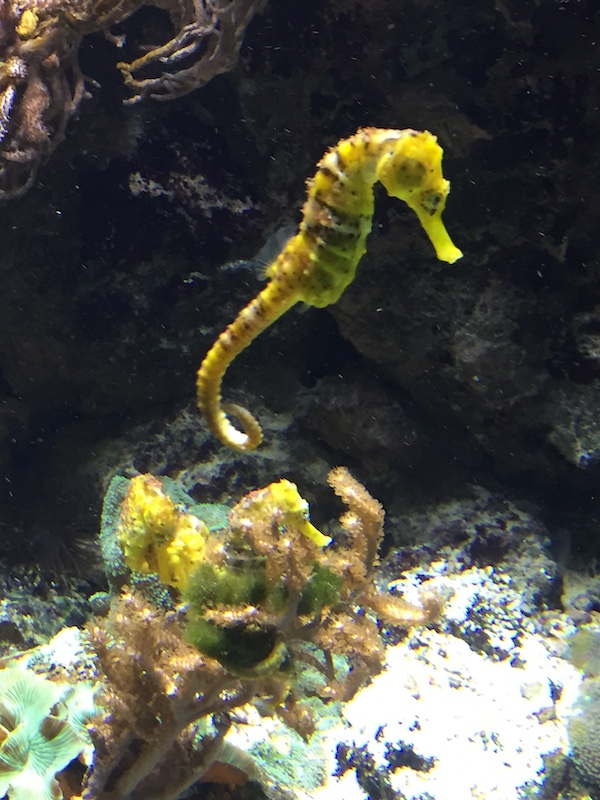
In L’Hippocampe (The Seahorse) from 1934, a pioneering underwater film by French scientist and filmmaker Jean Painlevé, the seahorse becomes a window into the extraordinary. Its unusual movements and remarkable reproductive process remind us how much wonder lies in the natural world.
But there’s another curious connection: we carry a seahorse inside our brains. The hippocampus, named after its resemblance to this marine creature, plays a key role in forming new memories. Working alongside other brain regions, including the amygdala, it also helps us remember experiences in their emotional context.
For me, this is where the story becomes especially interesting: one shape connects marine biology, neuroscience, memory, and emotion.
And this is precisely what I love about trend research. Sometimes, the most compelling insights emerge when we connect seemingly unrelated worlds. By combining scientific discoveries, cultural symbols, and human emotions, we can uncover fresh meanings, anticipate emerging narratives, and find inspiration for new concepts and experiences.
Because trends are not just about spotting what’s next. They’re about connecting the dots in unexpected ways-and discovering the stories hidden between them.
Excerpt of “L’Hippocampe ou cheval marin” by Jean Painlevé France, 1934, black and white. Music by Darius Milhaud.
Web developed by UXAI
Comments are closed.